Gaming Chair Discounts: What's Real, What's Marketing
A guide to reading past common gaming chair sale tactics — inflated reference prices, rotating "flash sales," and bundle framing.
Main page for gaming chairs: Gaming Chairs →
A guide to reading past common gaming chair sale tactics — inflated reference prices, rotating "flash sales," and bundle framing.
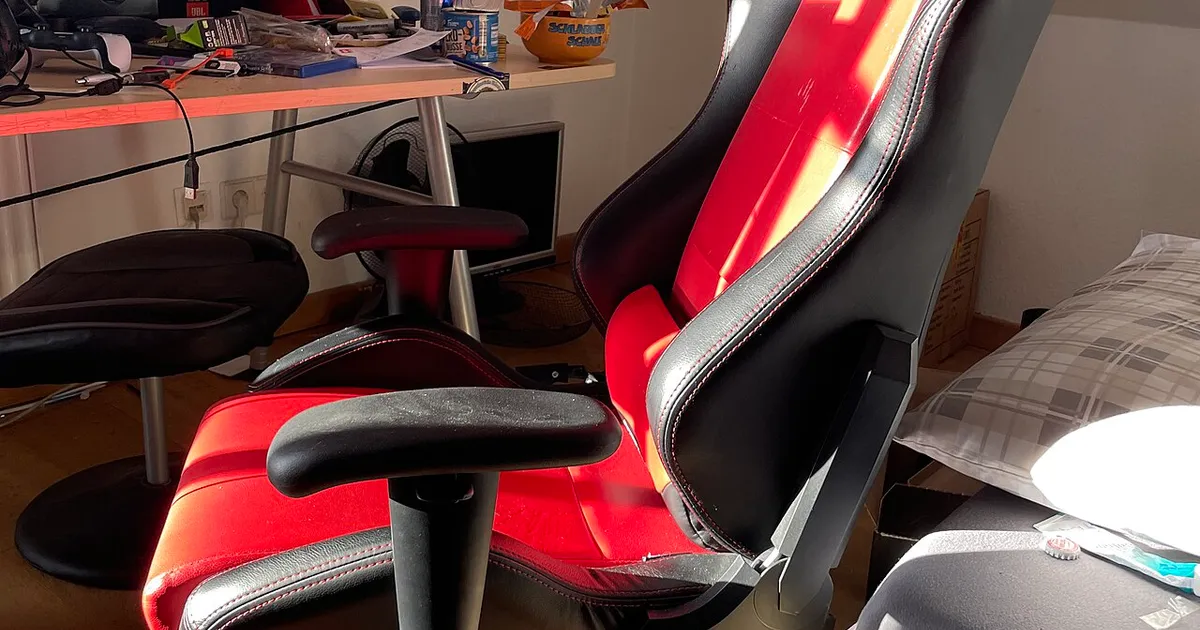
Photo by Marchuk17 / Wikimedia Commons / CC BY-SA 4.0
Gaming chair marketing leans heavily on discount framing — countdown timers, “limited time” badges, bundled freebies — often more than almost any other gaming accessory category. Some of that reflects genuine seasonal promotion. A lot of it is presentation designed to make a routine price feel like a rare opportunity. Here’s how to tell which is which.
The “Permanent Sale” Pattern
One of the most common tactics in this category is a chair that is “on sale” essentially all the time, with the discount badge and countdown timer resetting on a rotating basis. If you check back in a few weeks and the same “flash sale” is running again at the same price, that’s a strong signal the sale price is simply the real price, and the discount framing exists purely to create urgency. The fix is straightforward: if you can, check a price-tracking tool or your own notes from a previous visit to see whether the price has actually changed.
Reference Prices Inflated Right Before a “Sale”
A related tactic is briefly raising a chair’s listed price shortly before running a “sale” back down to what was previously the normal price. This produces an impressive-looking percentage-off number without the buyer ever actually paying less than they would have a month earlier. Because most shoppers don’t buy chairs often enough to remember exact prices from months ago, this tactic is particularly effective in this category — which is exactly why checking independent price history, when available, is worth the extra step.
Bundle Framing Inflates Perceived Value
Chair sales frequently bundle in extras — a headrest pillow, lumbar cushion, footrest, or chair mat — presented as free additions layered on top of the discount. These bundles can occasionally be genuine value, but they’re also an easy way to make an unremarkable chair price look more generous. Try to find the core chair’s price without the bundle, or price the “free” extras separately, before deciding the bundle materially changes the value of the deal.
Seasonal Sale Periods Do Bring Genuine Movement
None of this means real chair discounts don’t exist. Broad, site-wide retail sale periods — major end-of-year shopping events and similar recurring calendar moments — do tend to bring genuinely more competitive chair pricing, since manufacturers and retailers are competing for the same seasonal shopping attention. The distinguishing feature of a real seasonal discount is that it’s part of a much broader markdown across many products and brands, not an isolated single listing with a uniquely large badge.
What to Check Before Trusting Any Chair “Deal”
- Has this exact “sale” price shown up repeatedly on previous visits or in price-tracking history?
- Is the discount isolated to one listing, or part of a broader, multi-brand sale event?
- Are bundled extras being used to make the core price look more generous than it is?
- Does the final price make sense for the chair’s actual materials and adjustability, independent of any percentage-off claim?
Buy the Chair, Not the Badge
The healthiest mindset for chair shopping is to evaluate the final price against your own research into comparable models, and treat the discount badge as marketing copy rather than information. A chair that’s genuinely well-priced for its build quality is worth buying whether or not a badge says “sale.” One that’s only appealing because of the badge usually isn’t.
Our picks: Gaming chairs
Shop on Amazon
Affiliate links.As an Amazon Associate I earn from qualifying purchases. Links below go to Amazon; prices and availability change, so check Amazon for current pricing.Affiliate disclosure
Illustrative photos: Photo by Marchuk17 / Wikimedia Commons / CC BY-SA 4.0; Photo by Ndurliat / Wikimedia Commons / CC BY-SA 4.0