A Smart Buyer's Guide to CPU Sales and Generation Refreshes
CPU pricing shifts around new architecture launches and platform changes. Here is how to buy a processor on sale without regretting the timing.
Main page for cpus: CPUs →
CPU pricing shifts around new architecture launches and platform changes. Here is how to buy a processor on sale without regretting the timing.
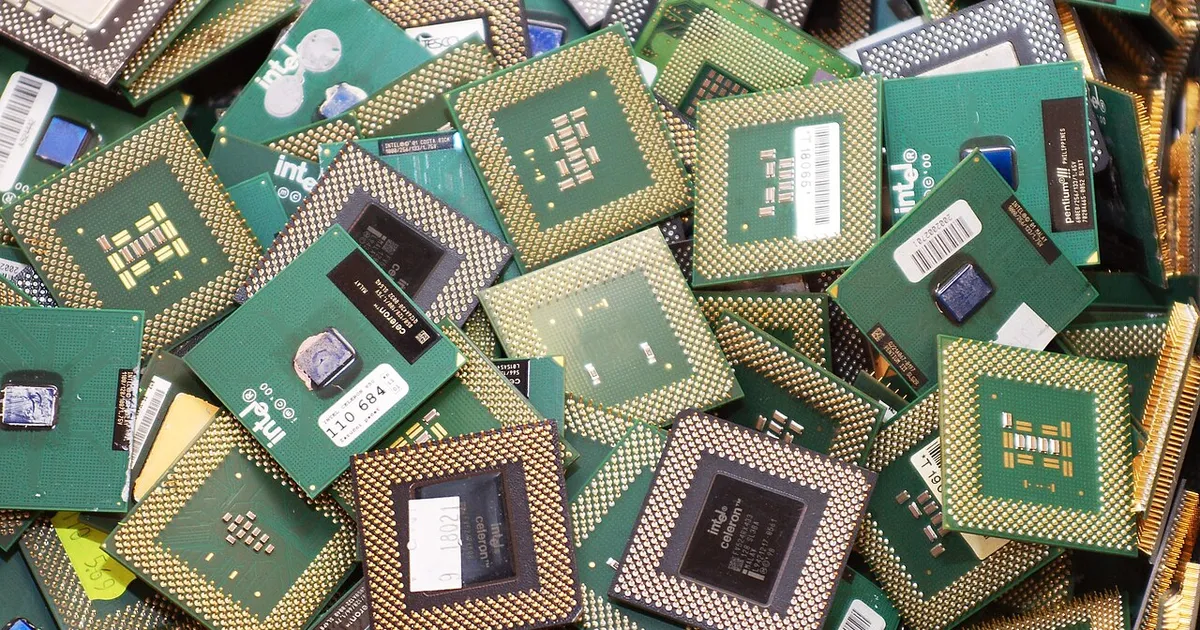
Photo by Ondřej Martin Mach / Wikimedia Commons / CC BY-SA 3.0
CPU pricing moves differently than most other PC components, largely because processors are tied to specific motherboard platforms and socket generations. A discount on a processor isn’t just about the chip’s own price history — it can also signal that the platform it belongs to is nearing the end of its life. Understanding that context matters as much as the price tag itself.
Why CPU “Deals” Need Extra Scrutiny
A processor discount can mean several very different things: the chip could be getting cheaper because a new generation launched and this one is now mid-tier by comparison, it could be a retailer clearing stock ahead of a platform transition, or it could simply be a marked-up “was” price designed to make a routine price look like a bargain. Before getting excited about a percentage-off badge, check the chip’s actual price history through an independent tracking tool, and compare it against what the same or a similar-tier chip costs from other retailers right now. If the “sale” price is roughly what the chip has cost for weeks, it isn’t really a discount.
Check the Platform, Not Just the Chip
This is the step that’s unique to CPUs: before buying a discounted processor, confirm what motherboard socket and chipset it requires, and whether that platform is current or on its way out. A steeply discounted CPU on an aging socket can still be a good deal if you already own a compatible motherboard or don’t mind buying into a mature, stable platform. But if you’re building from scratch, factor in whether you’d also be buying into a socket that won’t receive future CPU upgrades — sometimes the “discount” on the processor is offset by paying more, or getting less future flexibility, on the motherboard side.
New Generation Launches Are the Biggest Price Driver
Similar to GPUs, the most reliable driver of genuine CPU price movement is a new generation launch. When a manufacturer releases new processors on a new or updated platform, pricing on the previous generation typically becomes more competitive as retailers work through remaining stock. If your performance needs are met by the outgoing generation, this window can offer real value — just go in aware that you won’t get whatever new features or efficiency gains the new generation introduced.
Watch for Bundle Tricks
CPUs are frequently sold in bundles with a motherboard, cooler, or RAM kit at a combined “discounted” price. These bundles can be genuinely good value, but they can also be used to obscure whether any individual component is actually discounted — a mediocre motherboard bundled in can make the total price look better than it is. Before buying a CPU bundle, price out each component separately against current market rates to confirm the bundle actually saves you money rather than just repackaging full-price parts together.
What to Confirm Before Buying
- The chip’s real price history, not just the retailer’s claimed “original” price.
- Which socket and chipset the CPU requires, and whether that platform is current.
- Whether a bundled motherboard, cooler, or RAM is actually priced competitively on its own.
- The warranty length and whether it’s honored by the manufacturer directly or only through the retailer.
- Whether a next-generation launch is imminent enough that waiting might make more sense for your use case.
The Bottom Line
A good CPU deal is one where the price is genuinely lower than its recent trading history, the platform still makes sense for your build, and any bundled components hold their own value. Everything else is marketing dressed up as a bargain.
Our picks: Processors
Shop on Amazon
Affiliate links.As an Amazon Associate I earn from qualifying purchases. Links below go to Amazon; prices and availability change, so check Amazon for current pricing.Affiliate disclosure
Illustrative photos: Photo by Myself User:ZyMOS / Wikimedia Commons / CC BY-SA 4.0; Photo by Jacek Halicki / Wikimedia Commons / CC BY-SA 4.0; Photo by Ondřej Martin Mach / Wikimedia Commons / CC BY-SA 3.0