When Do Prebuilt Gaming PC Prices Actually Move? A Buyer's Timing Guide
Prebuilt gaming PC pricing follows predictable patterns tied to sales calendars and hardware generations. Here is how to think about timing your purchase.
Main page for gaming pcs: Gaming PCs →
Prebuilt gaming PC pricing follows predictable patterns tied to sales calendars and hardware generations. Here is how to think about timing your purchase.
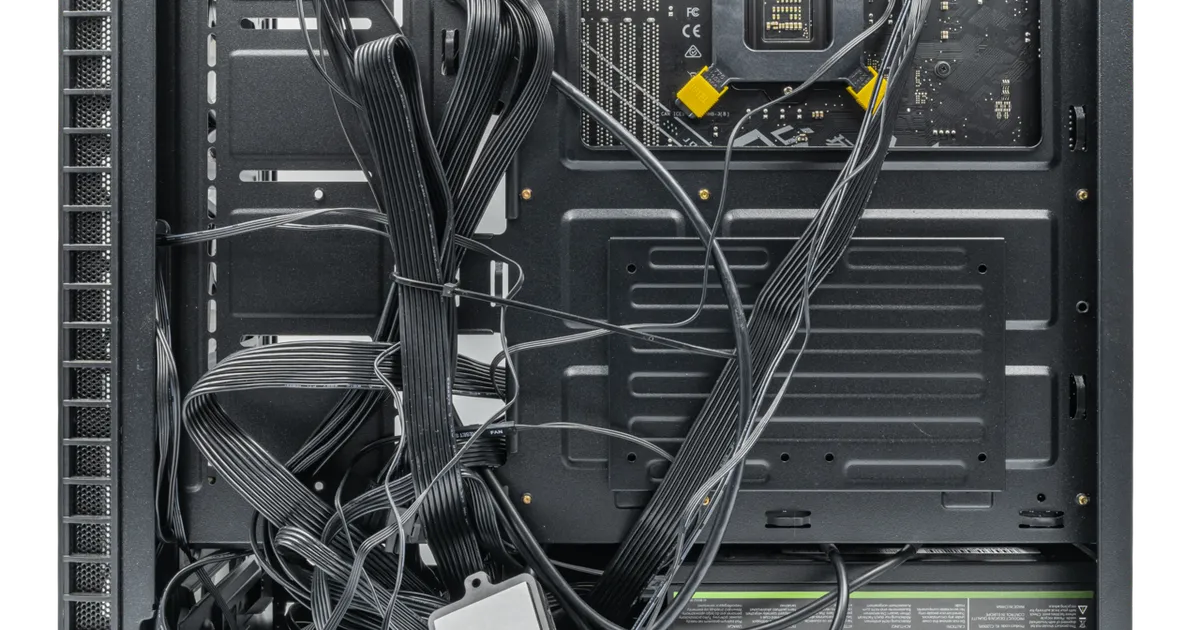
Photo by PantheraLeo1359531 / Wikimedia Commons / CC BY 4.0
Buying a prebuilt gaming PC at the wrong moment can mean paying full price for hardware that drops in value within weeks, or missing a genuinely good window because you didn’t know one was coming. You don’t need to track exact numbers to shop smarter — understanding the general rhythm of how this market moves is enough to make a better-timed decision.
Sales Calendars Move Prices in Predictable Waves
Most retailers concentrate their biggest promotional pushes around a handful of recurring periods each year: major end-of-year holiday shopping events, back-to-school season, and periodic manufacturer or retailer clearance events. Prebuilt PC pricing tends to get most competitive during these windows simply because more retailers are fighting for the same buyers at once, and system integrators use the attention to move existing inventory. Outside those windows, prices tend to sit closer to their “normal” baseline with only minor promotional movement.
Hardware Generation Cycles Matter More Than the Calendar
The bigger lever on prebuilt pricing is the release cycle of GPUs and CPUs. When a new generation of graphics cards or processors is on the horizon, retailers and builders often need to clear out systems built on the outgoing generation before the new one arrives. This is when you’ll see the deepest, most genuine discounts — not because the retailer is being generous, but because they need shelf and warehouse space. The tradeoff is that you’re buying into hardware that’s about to be superseded, which matters if resale value or having the newest features is important to you, and matters less if you just want strong performance for the money right now.
How to Tell If You’re in a Genuine Window
Rather than trying to guess exact dates, look for concrete signals:
- Manufacturer announcements or credible leaks about a next-generation GPU or CPU architecture — these typically precede price movement on current-gen systems.
- Broad, site-wide sale events rather than a single suspiciously discounted listing — coordinated markdowns across many products are more likely to reflect real inventory pressure than a single inflated-then-slashed price.
- Consistency across multiple retailers. If only one seller has a steep “deal” while everyone else is at a similar, higher price, be skeptical of that one outlier.
Should You Wait or Buy Now?
If your current setup is functional and you’re shopping opportunistically, it’s usually worth waiting for one of the known high-competition periods rather than buying on a random Tuesday. If you need a machine immediately — a build failed, or you have a specific deadline — buying at a fair, verified price now is more sensible than gambling on a future window that may not deliver the savings you’re hoping for. Price-tracking tools and browser extensions that log a product’s price history over time can help you see whether current pricing is actually low relative to its own past, rather than relying on a retailer’s claimed discount.
Don’t Let a Countdown Timer Rush You
Urgency messaging — countdown clocks, “only X left,” flash-sale banners — is designed to short-circuit exactly the kind of comparison shopping described above. A genuinely good price will usually still be reasonably competitive a day or two later, or matched by another retailer. If a deal only seems good because a timer is running out, that’s a sign to slow down and verify the price against component costs and other sellers rather than a reason to buy immediately.
A Practical Approach
- Track whether a new hardware generation is rumored or confirmed before buying current-gen.
- Prioritize shopping during broad, multi-retailer sale periods over isolated listings.
- Use a price-history tool to confirm a “sale” price is actually lower than recent normal pricing.
- Don’t let countdown urgency replace your own comparison shopping.
Timing a prebuilt purchase well is less about catching a mythical perfect moment and more about avoiding the traps — inflated baselines, fake urgency, and buying right before a generation refresh you didn’t know was coming.
Our picks: Prebuilt gaming PCs
Shop on Amazon
Affiliate links.As an Amazon Associate I earn from qualifying purchases. Links below go to Amazon; prices and availability change, so check Amazon for current pricing.Affiliate disclosure
Skytech Gaming PC RTX 5070
Prebuilt with standard parts that are easy to upgrade.
Check price on Amazon

Illustrative photos: Photo by Gaming PC Bundle / Wikimedia Commons / CC BY-SA 4.0; Photo by PantheraLeo1359531 / Wikimedia Commons / CC BY 4.0; Photo by Brian Wong / Wikimedia Commons / CC BY-SA 2.0