Wired vs Wireless Gaming Mice: What Actually Matters
A grounded look at wired versus wireless gaming mice, covering latency, battery life, weight, and which setups actually benefit from going wireless.
A grounded look at wired versus wireless gaming mice, covering latency, battery life, weight, and which setups actually benefit from going wireless.
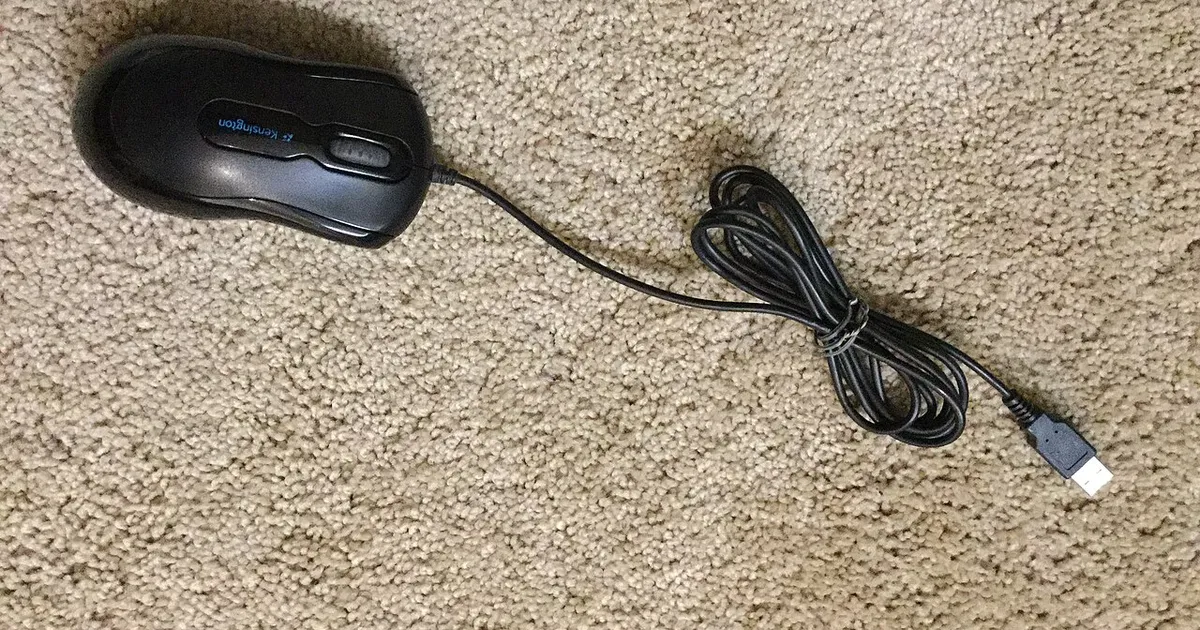
Photo by FASTILY / Wikimedia Commons / CC BY-SA 4.0
The wired-versus-wireless debate used to have an easy answer: wired, no contest. Modern wireless gaming mice have closed that gap enough that the decision now depends more on your setup and habits than on raw performance. Here’s how to actually think about it.
Latency: the gap has mostly closed
Older wireless mice relied on general-purpose Bluetooth or budget RF connections that introduced noticeable input lag. Modern gaming-focused wireless mice use dedicated low-latency RF receivers designed specifically to minimize the delay between hand movement and cursor response, and in independent testing this generation of wireless tech performs close to wired in most practical scenarios. Bluetooth is still typically the higher-latency option of the wireless choices, so if a mouse offers both Bluetooth and a dedicated RF dongle, the dongle is almost always the better choice for gaming.
The practical takeaway: a quality dedicated-RF wireless mouse is no longer a meaningful handicap for the vast majority of players. The gap that remains matters mostly at the highest competitive levels.
Weight is the real tradeoff now
The bigger, more consistent difference between wired and wireless mice today is weight. Wireless mice need an internal battery and receiver hardware, which historically made them heavier than wired equivalents. That gap has shrunk as manufacturers adopt lighter battery cells and perforated/honeycomb shells, but wireless mice with larger batteries for extended battery life still tend to sit heavier than the lightest wired options. If low weight is your top priority, compare exact specs rather than assuming either category wins by default.
Battery life and charging habits
Battery life varies enormously between models and depends heavily on features like RGB lighting (which drains battery notably faster) and polling rate (higher polling rates draw more power). If you go wireless, get in the habit of charging during breaks rather than waiting for a dead battery mid-session — many mice also support “charge while playing” via a cable, functioning as a wired mouse when plugged in.
Cable drag is a real, solvable problem
The classic argument for wireless is eliminating cable drag — the slight resistance and snagging a cord can cause during fast swipes. This is a legitimate issue for wired mice, but it’s also one of the more solvable ones: a mouse bungee (a small clip that suspends the cable above the desk) removes most of the drag without needing to go wireless at all. If cable drag is your only complaint about a wired setup, try a bungee before spending more on wireless hardware.
Reliability and interference
Wired mice have no connection to drop — plug in and it works, no batteries, no pairing. Wireless mice, even good ones, can occasionally suffer interference in crowded RF environments (lots of other 2.4GHz devices nearby) or from physical obstructions between the mouse and receiver. It’s rare with modern dedicated dongles, but worth knowing if you’re troubleshooting unexplained input hiccups.
Which one should you get?
- Go wired if: you want the simplest, most predictable setup with zero battery management, or budget is tight (wired options are generally cheaper for comparable internals).
- Go wireless if: you value desk freedom, travel with your setup, or want to eliminate cable drag entirely — and you’re willing to charge periodically.
- Either way: prioritize a mouse shape and weight that fits your grip style and hand size over the wired/wireless label. That comfort factor affects your game more than the connection type does.
The wired-vs-wireless decision matters far less than it did a few years ago. Unless you’re chasing the last fraction of a millisecond at a competitive level, pick based on convenience and comfort — both categories can perform well.
Our picks: Mice
Shop on Amazon
Affiliate links.As an Amazon Associate I earn from qualifying purchases. Links below go to Amazon; prices and availability change, so check Amazon for current pricing.Affiliate disclosure
Illustrative photos: Photo by Jacek Halicki / Wikimedia Commons / CC BY-SA 4.0; Photo by FASTILY / Wikimedia Commons / CC BY-SA 4.0