Hard vs Soft Mouse Pads: Choosing the Right Surface
How hard and soft mouse pad surfaces affect glide, control, and sensor tracking, and how to figure out which type suits your playstyle.
How hard and soft mouse pad surfaces affect glide, control, and sensor tracking, and how to figure out which type suits your playstyle.
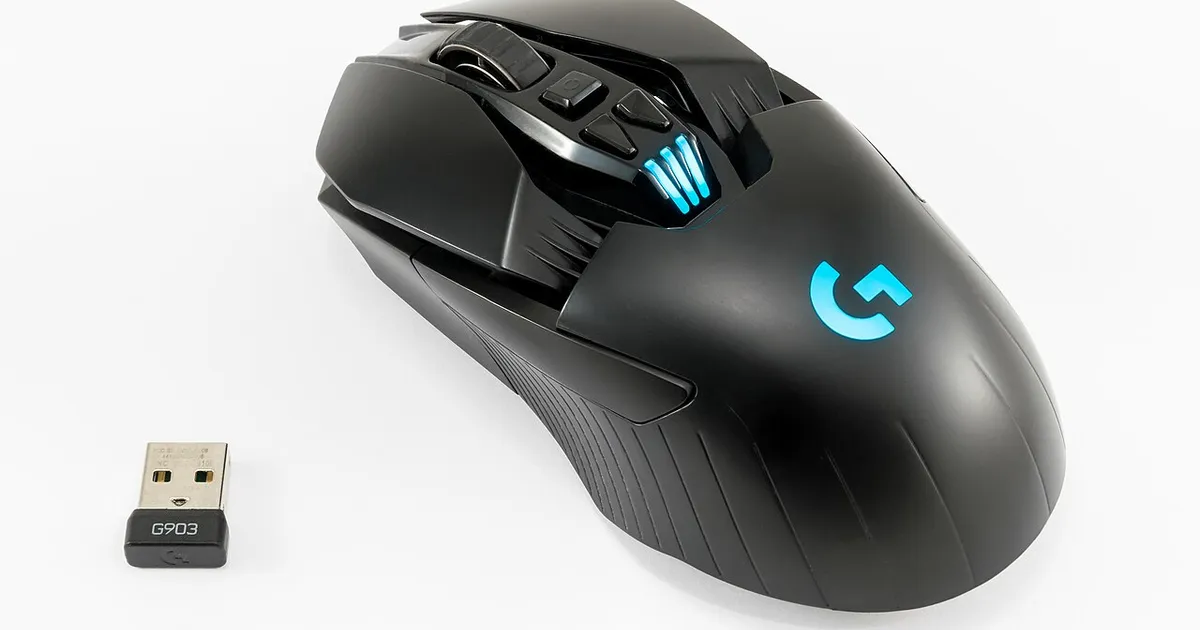
Photo by Jacek Halicki / Wikimedia Commons / CC BY-SA 4.0
A mouse pad seems like the simplest item in a gaming setup, but the surface you glide on changes how your mouse feels almost as much as the mouse itself. The core decision is hard versus soft, and each comes with real, felt tradeoffs.
What “hard” and “soft” actually mean
- Hard pads are typically a rigid plastic or coated surface (sometimes glass or aluminum) with a smooth, low-friction top layer. They offer a consistent, fast glide with minimal texture underneath the mouse feet.
- Soft pads are cloth-based, usually a woven fabric top over a rubber base. They have more texture and friction than hard pads, and that texture is adjustable in feel depending on the weave.
Both categories come in a range of finishes, so “hard” and “soft” describe a spectrum more than two fixed options — some cloth pads are treated to glide faster, and some hard pads have textured coatings to add control.
Glide speed and control
Hard pads generally offer faster, more consistent glide with less resistance, which suits players who make quick, sweeping mouse movements and want minimal friction slowing them down. The tradeoff is less “grab” when you want to stop precisely — fast glide can mean overshooting a target if your control isn’t dialed in.
Soft pads offer more resistance and a more controlled stop, which many players find easier to fine-tune for precision aiming, since the fabric texture naturally slows the mouse as you approach a stopping point. The tradeoff is a slightly slower overall glide speed.
Neither is objectively better — it’s a genuine playstyle preference, similar to sensitivity settings. Players who prefer large, fast arm movements often lean toward hard pads; players who prefer smaller, controlled wrist movements often lean toward soft pads.
Sensor tracking and surface consistency
Whichever type you choose, consistency matters more than the specific material. A worn, uneven, or dirty pad surface can cause inconsistent sensor tracking regardless of hard or soft construction. Hard pads tend to show wear differently (scratches, smoothing of texture) while soft pads wear by fraying edges, flattening fibers, or absorbing oils from your hand over time. Replace a pad once you notice tracking feels inconsistent compared to when it was new, not just when it looks visibly damaged.
Size considerations apply to both types
Regardless of hard or soft, pad size affects how you play. A pad too small for your sensitivity settings and arm movement will force you to lift and reposition the mouse mid-swing, which interrupts tracking and consistency. Measure your natural mouse movement range at your chosen sensitivity before buying, and size up if you’re between options — a slightly oversized pad costs little compared to the annoyance of constantly running out of room.
Cleaning and maintenance
Soft pads should be spot-cleaned or occasionally hand-washed (check manufacturer guidance, since some have a rubber base that shouldn’t be soaked) to remove oils and dust that build up from your palm and wrist resting on the surface. Hard pads can typically be wiped down with a damp cloth. Either way, regular cleaning preserves consistent glide and tracking far longer than letting grime accumulate.
Which should you buy?
If you’re not sure, a mid-range cloth (soft) pad is the safer starting point for most players — it’s forgiving, works well across sensitivity settings, and is cheap enough to replace once you know your preference. From there, experiment: try a hard pad if you want faster glide, or a tighter-weave cloth pad if you want more control. The “right” mouse pad is ultimately the one that matches how you already move your hand, not the one with the most marketing behind it.
Our picks: Mouse pads & desk mats
Shop on Amazon
Affiliate links.As an Amazon Associate I earn from qualifying purchases. Links below go to Amazon; prices and availability change, so check Amazon for current pricing.Affiliate disclosure
Illustrative photos: Photo by mycurrency.com / Wikimedia Commons / CC BY-SA 4.0; Photo by Jacek Halicki / Wikimedia Commons / CC BY-SA 4.0