Desktop Speakers vs Headsets: When Each Makes Sense
Comparing desktop speakers and gaming headsets across comfort, sound quality, privacy, and voice chat to help you pick the right primary audio setup.
Comparing desktop speakers and gaming headsets across comfort, sound quality, privacy, and voice chat to help you pick the right primary audio setup.
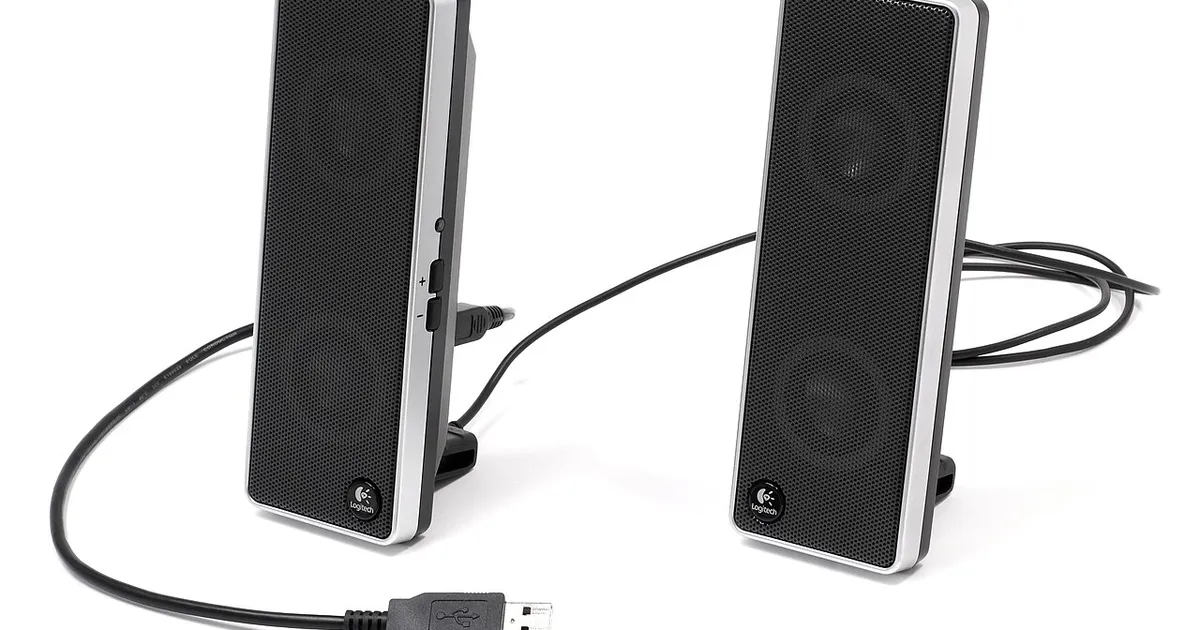
Photo by Evan-Amos / Wikimedia Commons / Public domain
Most gamers default to a headset without really weighing it against desktop speakers, mostly because headsets bundle audio and a microphone into one purchase. But speakers solve real problems headsets can’t, and the two aren’t actually competing for the same use case as often as it seems.
Comfort over long sessions
This is the most-cited reason people eventually add speakers to their setup. Even well-padded headsets apply constant pressure on the head and ears, and heat/moisture buildup is inevitable over multi-hour sessions. Speakers remove all physical contact entirely — nothing to adjust, nothing pressing on your ears, no clamping force to worry about. If you regularly play for long stretches and headsets leave your ears sore or hot, speakers (or open-back headphones, which trade some of the same comfort benefits) are worth trying.
Sound quality and soundstage
At a given price point, desktop speakers generally deliver fuller, more natural sound than a comparably priced headset, largely because speaker drivers aren’t constrained by the size and weight limits of something worn on your head. Speakers also produce genuine acoustic soundstage — sound actually traveling through air and reflecting off your room — rather than a soundstage simulated within sealed ear cups. The tradeoff is that room acoustics, speaker placement, and background noise all become variables that don’t exist with headphones.
Privacy and shared spaces
This is where headsets clearly win. Speakers broadcast sound into the room, which is a problem in shared households, apartments with thin walls, or any situation involving other people (or a sleeping schedule) nearby. Headsets keep audio contained to you. If privacy or courtesy toward others is a factor in your space, that alone can settle the decision regardless of sound quality preferences.
Voice chat and microphone considerations
Headsets typically bundle a microphone, which is genuinely convenient — one device, positioned correctly, ready to go. Going the speaker route for voice chat means adding a separate microphone (see the microphone buying guides for that decision), which is an extra purchase and extra desk space, but often results in clearer voice quality than a headset boom mic can achieve. There’s also an echo consideration: speakers can pick up their own output into an open desktop mic unless you use headphones for monitoring or the mic has good directional rejection — something headset mics don’t have to worry about, since the mic is physically isolated from the ear cups.
Streaming and content creation
Streamers face a specific tradeoff: speakers plus a separate mic can sound better overall, but require more careful mic placement and possibly acoustic treatment to avoid picking up speaker output or room echo. Headsets sidestep that problem entirely by keeping mic and audio physically separate from the room. Many streamers actually use both — speakers for casual listening and comfort, headset or isolated headphones for actual recording/streaming sessions where audio cleanliness matters most.
Can you have both?
Yes, and many setups do. A common pattern is speakers for solo play, music, and casual sessions, with a headset kept nearby for late-night sessions, competitive voice comms, or shared-space situations where sound needs to stay contained. If budget allows only one, weigh your living situation and how much of your play time involves voice chat — that answer matters more than raw audio quality specs.
Quick decision guide
- Choose speakers if: comfort over long sessions matters most, you live alone or have an understanding household, and you’re willing to add a separate mic for chat.
- Choose a headset if: privacy/shared space is a concern, you want an all-in-one audio-plus-mic solution, or you frequently play late at night.
Neither is a strictly better choice — they solve different problems. Match the choice to your living situation first, then your sound preferences second.
Our picks: Speakers
Shop on Amazon
Affiliate links.As an Amazon Associate I earn from qualifying purchases. Links below go to Amazon; prices and availability change, so check Amazon for current pricing.Affiliate disclosure
Illustrative photos: Photo by Evan-Amos / Wikimedia Commons / Public domain