How to Avoid Overspending on Your Next Gaming Purchase
Practical strategies for setting a real budget, resisting marketing pressure, and avoiding common traps that lead gamers to overspend on hardware and gear.
Practical strategies for setting a real budget, resisting marketing pressure, and avoiding common traps that lead gamers to overspend on hardware and gear.

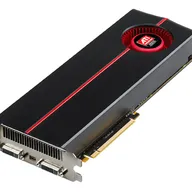
Photo by Chabe01 / Wikimedia Commons / CC BY-SA 4.0
Gaming purchases are unusually easy to overspend on. The category moves fast, marketing leans heavily on making current gear feel outdated, and it’s genuinely hard to compare options without deep product knowledge. None of that means you need to spend more than necessary — it just means the process needs a little more structure than “buy the highest-rated option I can afford.” Here’s how to approach a purchase without overspending.
Define What “Enough” Looks Like Before You Shop
The single biggest driver of overspending is shopping without a clear target. Before looking at any specific product, write down what you actually need the purchase to do — what games or use cases matter, what resolution or performance level you’re aiming for, and what you’re currently using that isn’t meeting that bar. This turns shopping into a search for “the option that meets my defined need” rather than an open-ended hunt for “the best thing available,” which almost always costs more and often includes capability you won’t use.
Separate Needs From Wants, and Price Them Separately
Once you know what you need, make a second list of things you’d like but that aren’t required — extra RGB lighting, a premium finish, brand preference, or headroom for future upgrades you don’t have concrete plans for. Price your needs list first, on its own. Only after you know what meeting your actual requirements costs should you consider whether any items from the wants list are worth adding, and treat each one as a deliberate add-on rather than something bundled into the “obvious” purchase.
Watch for Upsell Patterns, Not Just Prices
Retail listings are frequently structured to make a mid-tier or premium option look like the “smart” choice by comparison, even when the base option meets your actual needs. Be skeptical of comparison tables that make the option next to your target look like an obviously better deal — that’s often the intended effect, not a coincidence. If you find yourself upgrading past your defined need “just in case” or “for a little more,” pause and ask whether that reasoning would have applied before you started shopping, or whether it only appeared once you saw the higher-tier option sitting next to a cheaper one.
Take Time Before Big Purchases
For anything beyond routine, low-cost purchases, build in a deliberate waiting period — even just a day or two — between deciding you want something and actually buying it. Purchases made in the moment, especially in response to urgency-driven marketing language, are far more likely to be regretted later than purchases made after even a short pause. If the specific deal or urgency disappears during that waiting period and you’re no longer interested, that’s useful information about how much the purchase actually mattered to you.
A Simple Pre-Purchase Checklist
- Have you defined what you actually need this purchase to do?
- Have you priced an option that meets just that need, separately from any extras?
- Are you upgrading because of a real requirement, or because a higher tier was presented as the better deal?
- Have you given yourself time before committing to a non-routine purchase?
- Would you still want this if you saw it without any urgency or discount framing attached?
Avoiding overspending isn’t about buying the cheapest option available — it’s about making sure every dollar above your actual need was a deliberate choice, not a result of how the purchase was presented to you.
Our picks: Graphics cards & Gaming monitors
Shop on Amazon
Affiliate links.As an Amazon Associate I earn from qualifying purchases. Links below go to Amazon; prices and availability change, so check Amazon for current pricing.Affiliate disclosure
ASUS TUF Gaming VG27AQ
Popular 1440p high-refresh monitor that rarely disappoints.
Check price on AmazonNVIDIA GeForce RTX 5070 Ti
16GB card that handles high-refresh 1440p and entry 4K.
Check price on Amazon




Illustrative photos: Photo by Timothy Borkowski / Wikimedia Commons / CC BY-SA 3.0; Photo by Lennybird / Wikimedia Commons / CC BY-SA 3.0; Photo by Advanced Micro Devices, Inc. (AMD) / Wikimedia Commons / Attribution; Photo by PantheraLeo1359531 / Wikimedia Commons / CC BY 4.0; Photo by Terabass / Wikimedia Commons / CC BY-SA 3.0