Core Count vs Clock Speed: What Matters for Gaming CPUs
Two of the most-quoted CPU numbers pull in different directions depending on the workload. A conceptual look at how core count and clock speed actually relate to gaming performance.
Main page for cpus: CPUs →
Two of the most-quoted CPU numbers pull in different directions depending on the workload. A conceptual look at how core count and clock speed actually relate to gaming performance.
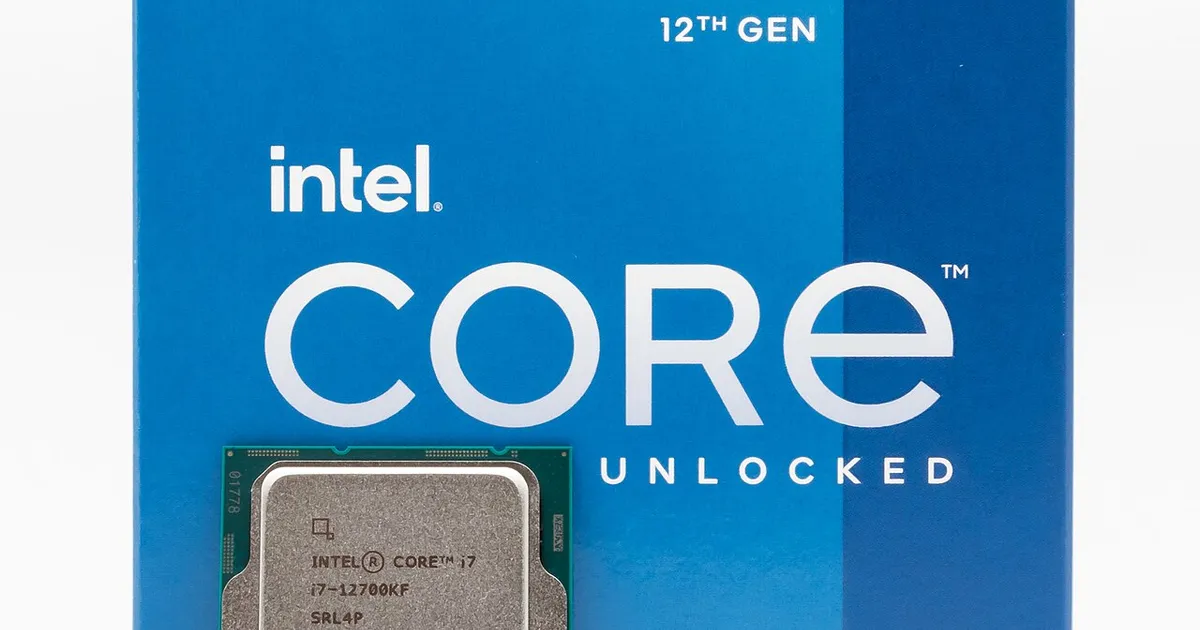
Photo by Jacek Halicki / Wikimedia Commons / CC BY-SA 4.0
Core count and clock speed are the two numbers most people reach for first when comparing processors, and they genuinely do matter — but they answer different questions, and neither one alone predicts gaming performance reliably. Understanding what each one actually represents clears up a lot of confusion around CPU comparisons.
What clock speed actually represents
Clock speed describes how many cycles of work a processor core can complete per second. Higher clock speed generally means a single core can get through its instructions faster, which matters a lot for tasks that depend on one sequence of operations happening quickly and in order. Many aspects of game logic — especially the parts that can’t easily be split across multiple cores — benefit disproportionately from higher clock speed for exactly this reason.
What core count actually represents
Core count describes how many independent processing units the chip has available to work in parallel. More cores allow more separate tasks to run simultaneously rather than waiting in line for a single core to get to them. Whether extra cores translate into better gaming performance depends heavily on whether a given game — and the background software running alongside it — is actually structured to spread its work across many cores at once, rather than relying heavily on one dominant thread.
Why neither number wins in isolation
A processor with very high clock speed but few cores can struggle in scenarios with a lot of legitimately parallel work — many background processes, or a game engine built to use several cores heavily. A processor with many cores but modest clock speed can struggle with anything that leans on fast single-core performance, which includes a meaningful share of game logic even in modern titles. This is why comparing two CPUs purely on whichever one has the higher number in either category, without considering how that number is actually used, tends to produce a shallow comparison.
Game engines vary in how they use available cores
Not every game is built the same way under the hood. Some engines are designed to distribute work broadly across many cores; others still rely more heavily on a smaller number of threads doing the bulk of the work. This variation is a big part of why a CPU that performs well in one game doesn’t automatically perform proportionally well in another — the underlying engine architecture determines how much benefit extra cores actually provide for that specific title.
Other factors interact with both numbers
Cache size, memory support, and the underlying architecture generation all interact with core count and clock speed rather than existing independently of them. A newer architecture can extract more real performance from a given clock speed than an older one, similar to how graphics card architecture generations affect what a raw spec actually delivers. This is another reason raw core count and clock speed numbers compare less cleanly across different processor generations than they do within the same generation and product line.
A more useful comparison habit
Rather than ranking processors by core count or clock speed alone, it’s more useful to consider what you’re actually running — how heavily your typical games and background applications depend on fast single-core performance versus broad parallel work — and weigh both numbers together with architecture generation in mind. Treating either spec as a standalone verdict is where most CPU comparisons go wrong.
Our picks: Processors
Shop on Amazon
Affiliate links.As an Amazon Associate I earn from qualifying purchases. Links below go to Amazon; prices and availability change, so check Amazon for current pricing.Affiliate disclosure
Illustrative photos: Photo by Myself User:ZyMOS / Wikimedia Commons / CC BY-SA 4.0; Photo by Jacek Halicki / Wikimedia Commons / CC BY-SA 4.0; Photo by Ondřej Martin Mach / Wikimedia Commons / CC BY-SA 3.0