First Steps in Valorant: A Beginner's Guide to Riot's Tactical Shooter
Valorant blends precise gunplay with character abilities, which can be a lot to take in at once. Here's a beginner-friendly starting point on agents, economy, and how to practice without burning out.
Valorant blends precise gunplay with character abilities, which can be a lot to take in at once. Here's a beginner-friendly starting point on agents, economy, and how to practice without burning out.
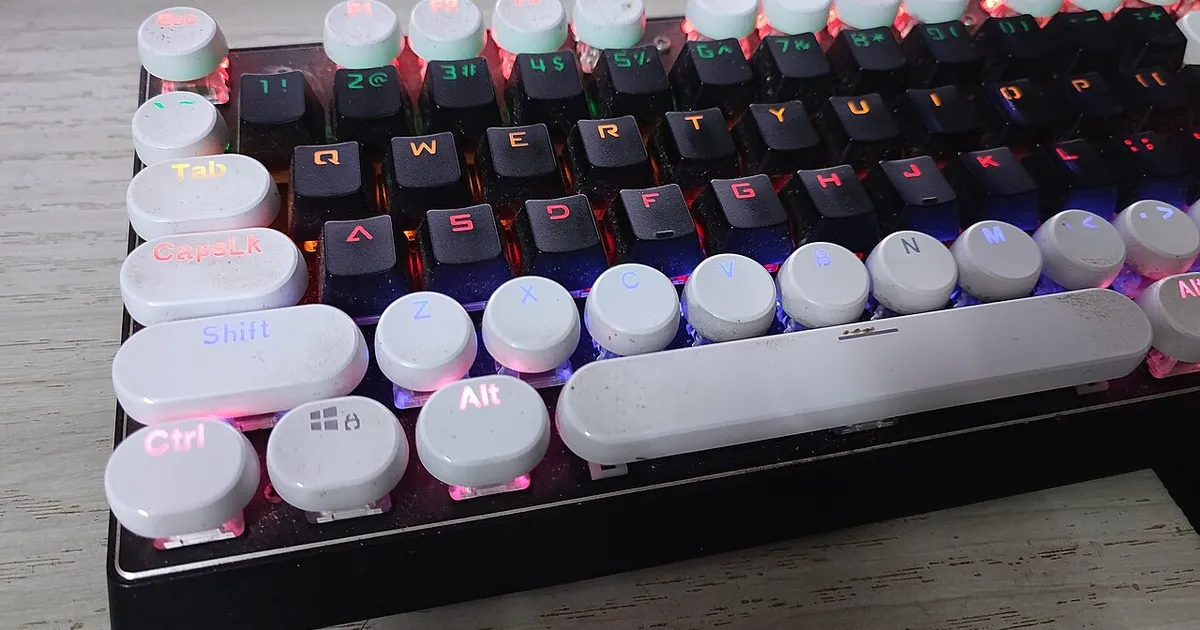
Photo by Anirban Saha / Wikimedia Commons / CC BY-SA 4.0
Valorant asks new players to learn two games at once: precise, recoil-controlled gunplay, and a layer of character abilities that changes how every round can be played. That combination is part of what makes it compelling, but it’s also why the learning curve feels steep early on.
Start with a simple agent
Valorant’s roster of agents is split loosely into roles — Duelists built for entry fragging, Controllers for smokes and space denial, Initiators for gathering information, and Sentinels for holding ground. New players are often drawn to flashy Duelists, but an easier starting point is usually a Sentinel or Controller with straightforward, low-execution abilities. Learning one agent well before branching out means you can focus on gunplay fundamentals instead of juggling a complicated ability kit under pressure.
Gunplay fundamentals matter more than abilities early on
Valorant’s shooting is closer to a precision tactical shooter than a typical arcade shooter — spraying while moving is heavily inaccurate, and most kills at any real skill level come from standing still or crouching while firing. Two habits pay off disproportionately for beginners: stop moving before you shoot, and practice basic recoil control on a couple of the game’s more common weapons rather than trying to master the whole arsenal at once. Abilities are easier to learn once your aim isn’t the bottleneck in every fight.
Understanding the buy phase
Like other round-based tactical shooters, Valorant runs on an economy — you earn credits from round outcomes and spend them before each round on weapons, armor, and ability charges. New players frequently overspend early and end up with nothing to buy in the rounds that matter most. A simple starting rule: don’t spend your entire budget on a weapon upgrade if it leaves you unable to afford armor, and pay attention to what your team is buying so you’re not the only one who under-equips on an important round.
Practice with intention
Valorant’s in-game range and deathmatch modes are useful, but only if you use them deliberately. Spending ten minutes on recoil control with your main weapon, or reviewing a lost round to figure out what information you missed, tends to build skill faster than hours of unfocused deathmatch. Ranked play will still be humbling at first — that’s normal for a game with this much mechanical and strategic depth — but the fundamentals scale with you all the way up.
Pick one agent, prioritize aim over ability usage in your first weeks, and pay attention to the economy — those three habits will carry a new Valorant player further than almost anything else early on.
Our picks: Controllers & Headsets
Shop on Amazon
Affiliate links.As an Amazon Associate I earn from qualifying purchases. Links below go to Amazon; prices and availability change, so check Amazon for current pricing.Affiliate disclosure
PlayStation DualSense Wireless Controller
Haptics and adaptive triggers on PS5 and PC.
Check price on Amazon


Illustrative photos: Photo by Microsoft / Wikimedia Commons / CC BY-SA 4.0; Photo by Zephyris at English Wikipedia / Wikimedia Commons / CC BY-SA 3.0; Photo by Alex Cochrane / Wikimedia Commons / CC BY-SA 4.0; Photo by Evan-Amos / Wikimedia Commons / Public domain